
You did everything right. You followed the recipe, you set a timer, and you still cut into a chicken breast that chews like a rubber band. If you have ever stood at the cutting board asking yourself why is my chicken tough, you are in very good company — this is the single most common chicken complaint in my kitchen, and it happens to careful cooks just as often as it happens to beginners.
Here is the reassuring part: tough chicken is almost never a mystery and almost never your fault in the way you think. It comes down to a short list of causes — a few degrees too hot, a few minutes too long, a breast that was uneven, or a cut that was sliced the wrong way. Once you know which one bit you, the fix takes about five minutes of prep and a thermometer.
This guide walks through the seven real reasons your chicken turns tough, how to rescue a batch that already went rubbery, and the exact method I use to cook chicken breast so it stays juicy every single time — in about 20 minutes, with nothing fancier than a skillet and a $12 thermometer.
Why Is My Chicken Tough? The 7 Real Causes
Most tough chicken traces back to one of these seven things. Read through them and one will usually jump out at you.
1. You cooked it past 165°F
This is the big one. Chicken breast is lean muscle with almost no fat and almost no connective tissue, so it has nothing to protect it once it overcooks. As the internal temperature climbs past 165°F, the muscle fibres contract hard and squeeze out their moisture, and the proteins tighten into stringy, chalky strands. The window between juicy and tough is only a few degrees wide — 165°F is perfect, 175°F is noticeably dry, and 185°F is shoe leather.
The trap is carryover cooking. A breast pulled off the heat at 165°F keeps climbing another 3–5°F while it rests. So if you wait until the thermometer reads 170°F in the pan, the meat is really finishing near 175°F. Pull it at 160–162°F and let the rest carry it to 165°F.
2. The breast was uneven
A typical chicken breast is thick at one end and thin at the other, sometimes by a full half inch. The thin end finishes cooking while the thick end is still catching up, so by the time the middle is safe to eat, half the breast is already overcooked and tough. This is the most overlooked reason people ask why is my chicken tough — the recipe was fine, but the breast was not even.
The fix is simple and takes two minutes: pound the breast to an even ¾-inch thickness between two sheets of plastic wrap before it hits the pan. It is the single highest-impact step in this whole guide.
3. You cooked it straight from the fridge
Ice-cold chicken hits a screaming-hot pan and the outside seizes up before the inside has even started warming. The exterior overcooks while you wait for the centre to reach temperature, and the result is a breast that is tough on the outside and uneven all the way through.
Let the chicken sit on the counter for 15–20 minutes before cooking — just long enough to take the chill off. (Do not leave it out for more than two hours; food-safety rules still apply.) Season it while it rests and you have used the time well.
4. You skipped the rest
Cutting into chicken the second it leaves the pan is the fastest way to make it tough. Fresh off the heat, the juices inside the meat are still under pressure from the contracted fibres. Slice it now and those juices run straight out onto the cutting board. Wait five minutes and the fibres relax, the juices redistribute, and the same breast eats noticeably juicier.
This is also why the carryover trick in cause #1 works: the rest is not idle time, it is part of the cooking.
5. You sliced it with the grain
Look closely at a cooked chicken breast and you will see long muscle fibres running in one direction. Slice parallel to those fibres and every bite is a long, chewy strand. Slice across them — against the grain — and you cut those fibres into short pieces that chew tender.
This one fix rescues a lot of dinners. Even a slightly overcooked breast eats far better sliced thinly against the grain, fanned out on the plate. I slice at a slight diagonal, about ½ inch thick, and it makes a visible difference.
6. Woody breast
Sometimes the chicken itself is the problem. “Woody breast” is a quality defect in fast-grown broiler chickens: the meat feels hard and rigid even raw, with pale streaks running through it, and no amount of careful cooking makes it tender. It has become more common in the last few years, and it is the cause nobody talks about when they ask why is my chicken tough.
You can spot it before cooking. Press the raw breast — if it feels stiff and woody instead of soft and pliable, or you see wide white stripes, that breast will cook up tough no matter what you do. Buy from a different brand or supplier next time, and choose smaller breasts (5–6 ounces) over jumbo ones, which are far more likely to be woody.
7. The wrong method for the cut
Breast and thigh are not interchangeable. Breast is lean and cooks fast — it wants high heat, short time, and a thermometer. Thighs have fat and collagen, so they forgive long cooking and actually get better with it. Cook a breast the way you would cook thighs — low and slow for an hour — and you get dry, stringy meat. Cook thighs the way you would cook a breast and they can stay chewy.
Match the method to the cut. Breast: sear fast, pull at 160–162°F, rest 5 minutes. Thighs: braise, roast, or grill with more time. If your recipe calls for one and you used the other, that swap alone can explain the toughness.
Why Is My Chicken Tough After Slow Cooking?
This one surprises people, because slow cooking is supposed to make meat tender. And it does — for thighs, drumsticks, and other collagen-rich cuts. But chicken breast in a slow cooker is a different story: after 4–6 hours on low, or even 3 hours on high, the lean fibres have given up all their moisture and there is nothing left to keep them soft. The result is the classic slow-cooker complaint: chicken that shreds into dry, cottony strands.
If you still want to slow-cook breast, keep it short — 2–2.5 hours on low for boneless breasts in plenty of liquid, and check with a thermometer at 2 hours. Better still, use bone-in thighs for slow-cooker recipes and save breast for the skillet, where its speed is an advantage. And if the breast is already overcooked in the slow cooker, shred it and stir it back into the sauce — the liquid masks a lot of dryness.
How to Rescue Tough Chicken (It Is Not Too Late)
If you are asking why is my chicken tough after it is already on the plate, do not throw it out. A rubbery breast is not a lost dinner. These three rescues work on chicken that is already cooked:
Shred it and sauce it. Pull the meat apart with two forks, toss it in a warm sauce — barbecue, buffalo, a creamy garlic sauce, or even the pan juices with a splash of broth — and let it sit for 5 minutes. Shredding shortens the fibres and the sauce replaces the lost moisture. It makes excellent tacos, sandwiches, and pasta topping.
Slice it thin and simmer it briefly. Cut the breast very thinly against the grain, then simmer the slices for 2–3 minutes in broth, a curry sauce, or a tomato sauce. The liquid rehydrates the outer layer and the thin slices chew tender. Do not boil it hard — a gentle simmer is enough.
Turn it into soup or fried rice. Tough chicken disappears beautifully into a soup, a stir-fry, or fried rice, where small pieces and plenty of liquid do the work. Dice it small, add it in the last few minutes so it heats through without cooking further, and nobody will ever know.
How to Cook Chicken Breast So It Stays Juicy: My 20-Minute Method
Once you know the causes, the fix is a short routine. This is the method I use on busy nights, and it is the same approach behind my guide on how to cook chicken breast without drying it out.
What you need
- 4 boneless, skinless chicken breasts (about 6 oz each)
- 1 teaspoon kosher salt
- ½ teaspoon black pepper
- 1 teaspoon garlic powder
- 1 teaspoon paprika
- 2 tablespoons olive oil
- 1 tablespoon butter
Step 1: Pound it even (5 minutes)
Place each breast between two sheets of plastic wrap and pound the thick end gently until the whole breast is an even ¾ inch thick. Do not smash it flat — even is the goal, not thin.
Step 2: Season and rest (15 minutes)
Season both sides with salt, pepper, garlic powder, and paprika. Leave the breasts on the counter for 15 minutes to lose their chill. Salt in this window seasons the meat all the way through and helps it hold moisture.
Step 3: Sear hot and fast (6–7 minutes)
Heat the olive oil in a large skillet over medium-high heat until it shimmers. Lay the breasts in with space between them — a crowded pan steams instead of sears. Cook undisturbed for 3–4 minutes until the underside is deep golden, then flip.
Step 4: Finish with butter and a thermometer (3–4 minutes)
Add the butter to the pan and let it foam. Spoon it over the breasts as they finish. Start checking with an instant-read thermometer at 3 minutes: pull each breast the moment it hits 160–162°F in the thickest part.
Step 5: Rest 5 minutes, slice against the grain
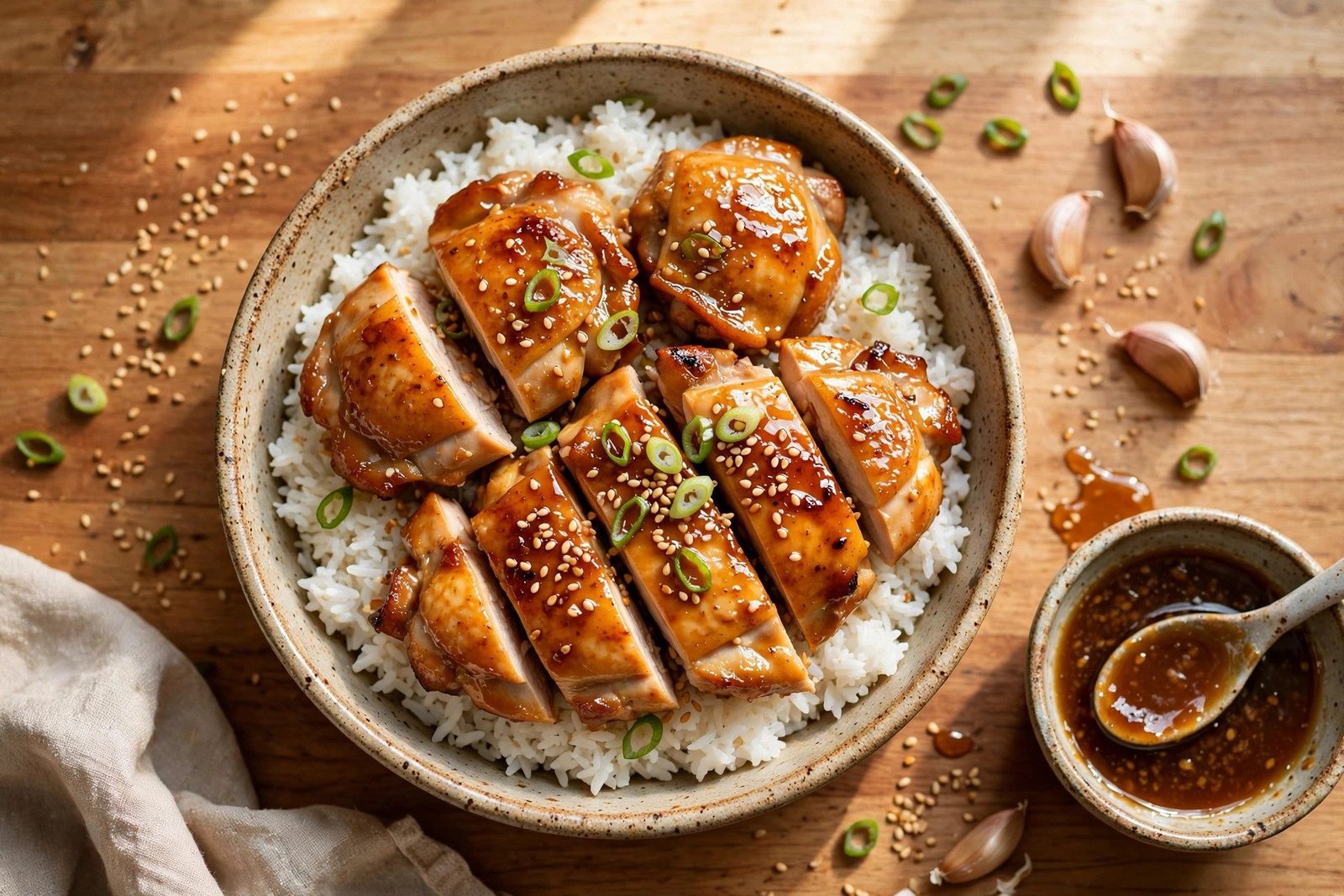
Move the breasts to a cutting board and rest them for 5 minutes — no cutting, no peeking. Then slice thinly against the grain at a slight diagonal. The inside should be juicy and white all the way through, with clear juices on the board instead of a puddle. This last step is the final line of defence against the dryness that makes people wonder why is my chicken tough.

That thermometer is the whole secret. Everything else in this method — the pounding, the rest, the slicing — supports it, but the thermometer is what stops the overcooking that makes people ask why is my chicken tough in the first place. The USDA Food Safety and Inspection Service lists 165°F as the safe minimum internal temperature for chicken, and pulling at 160–162°F with a 5-minute rest lands you right there.
More Ways to Keep Chicken Tender
If you keep asking why is my chicken tough even after fixing the basics, these techniques add another layer of insurance. Beyond the skillet method, a few techniques are worth knowing:
Brine it. A 30-minute soak in salty water (¼ cup kosher salt per quart of water) seasons the meat deeply and adds moisture insurance. It is the most forgiving trick for chicken breast, and it costs nothing but a little planning.
Velvet it. The Chinese technique of coating sliced chicken in cornstarch, egg white, and a little oil before a quick stir-fry protects the surface from high heat and keeps the inside silky. It is the reason takeout chicken stays tender in a blazing-hot wok.
Marinate — but not in acid for too long. A marinade with lemon juice or vinegar tenderizes for the first 30 minutes, then starts to “cook” the surface and make it mushy on the outside and tough underneath. Keep acidic marinades under an hour; oil-and-herb marinades can go longer.
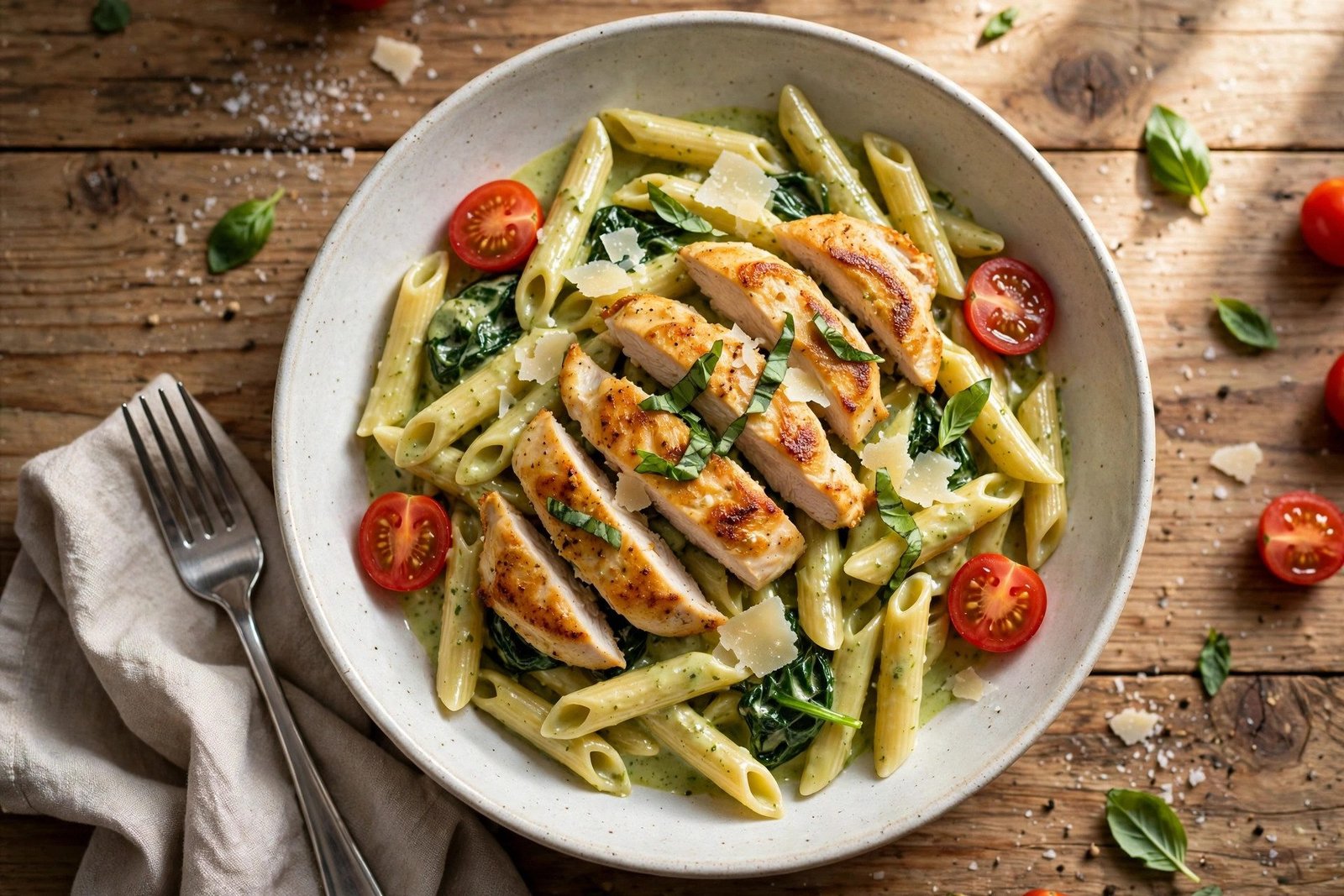
Use thighs when the recipe is forgiving. If a recipe simmers for a long time — a curry, a stew, a slow cooker — thighs are simply the better cut. They stay juicy where breast gives up. My creamy Tuscan chicken skillet works with thighs too, and they are more forgiving if the timer runs long.
Storage and Leftovers
Cooked chicken breast keeps in the fridge for 3–4 days in an airtight container. The enemy is reheating: the microwave takes an already-cooked breast straight past 165°F again and dries it out a second time. Reheat gently — sliced, in a covered skillet with a splash of broth over low heat for 2–3 minutes, or at 50% microwave power in 30-second bursts. Or skip reheating entirely and use cold sliced chicken in salads and wraps, where its texture is a feature, not a flaw.
You can freeze cooked chicken for up to 3 months. Slice it before freezing, wrap portions tightly, and thaw overnight in the fridge. Frozen raw breasts should thaw in the fridge overnight too — thawing in the microwave or in hot water cooks the edges and leaves the centre cold, which is another quiet route to tough chicken.
Frequently Asked Questions
Why is my chicken tough even when I follow the recipe?
Usually one of three things: the breast was uneven, so the thin end overcooked while the thick end finished; you pulled it at 170°F or higher instead of 160–162°F; or you sliced it with the grain. Fix those three and most recipes come out tender. If the raw breast felt stiff and woody before cooking, it may be woody breast — a quality defect no technique can fix.
Why is my chicken tough in the slow cooker?
Chicken breast overcooks in a slow cooker after about 2.5–3 hours on low. The lean fibres dry out with long cooking. Use bone-in thighs for slow-cooker recipes, or check breast with a thermometer at 2 hours and pull it as soon as it hits 165°F.
Why is my chicken tough after grilling?
Grilling is the hardest method to control, because the heat is intense and uneven. The usual culprits are a grill that is too hot, breasts of uneven thickness, and no thermometer. Pound the breasts even, grill over medium-high heat (not screaming hot), and pull at 160–162°F. Rest 5 minutes before slicing.
Can you fix rubbery chicken after it is cooked?
Yes. Shred it and toss it in a warm sauce, slice it thin against the grain and simmer it briefly in broth, or dice it into soup, fried rice, or a stir-fry. You cannot un-cook it, but you can change its texture enough that nobody notices.
Does marinating chicken make it less tough?
A short marinade helps — salt and oil season and protect the surface. But an acidic marinade (lemon, vinegar) left on for hours does the opposite: it breaks down the surface into mush while the inside stays tough. Keep acidic marinades under an hour.
Is tough chicken safe to eat?
Yes, as long as it reached 165°F internally. Toughness is a texture problem, not a safety problem. Undercooked chicken is the safety risk — that is why a thermometer matters more than a timer.
The Bottom Line
So, why is my chicken tough? In almost every case, it is one of a handful of fixable things: it cooked a few degrees too far, the breast was uneven, it went into the pan cold, it never got to rest, or it was sliced with the grain. Sometimes the chicken itself was woody, and that one is not your fault at all.
The fix is a short routine, not a talent: pound it even, season it early, use a thermometer, pull at 160–162°F, rest five minutes, slice against the grain. Do that and the question stops coming up — and if you want a fast recipe to practise on, try my garlic butter chicken bites, which use exactly this method and are on the table in 15 minutes.