If you’ve ever asked yourself “why is my shrimp rubbery?” while chewing through a sad, bouncy shrimp that was supposed to be dinner, you’re not alone — and the good news is that the fix takes about two minutes to learn. I used to ruin shrimp constantly. I’d buy beautiful pink shrimp, toss them in a hot pan with garlic butter, and somehow end up with little rubber erasers that squeaked when I bit them. It took me years of weeknight cooking to figure out that rubbery shrimp isn’t bad luck or bad shrimp. It’s almost always one of five small mistakes, and every single one of them is easy to fix once you know what to look for.
Shrimp is one of the fastest-cooking proteins in your kitchen, and that’s exactly why it’s so easy to overcook. A chicken breast forgives an extra minute or two. Shrimp does not. The window between perfectly tender and hopelessly rubbery is about sixty seconds wide, which sounds scary until you learn the visual cues — and once you know them, you’ll cook tender, juicy shrimp every single time. This guide walks through exactly why shrimp turns rubbery, the five mistakes that cause it, the timing chart I use for every size of shrimp, and how to rescue shrimp that’s already gone too far.
Why Is My Shrimp Rubbery? The Real Reason
Here’s the short answer to why is my shrimp rubbery: shrimp muscle is mostly water and delicate protein, and when those proteins get too hot for too long, they contract hard and squeeze the moisture right out. Think of it like wringing out a sponge. The proteins in shrimp start to tighten around 120°F (49°C), and by the time they hit 145°F (63°C) — the USDA’s recommended safe temperature for shrimp — they’re fully set. Go even a little past that, and the fibers keep contracting, the shrimp curls into a tight little “O,” and the texture turns from tender to bouncy to downright rubbery.
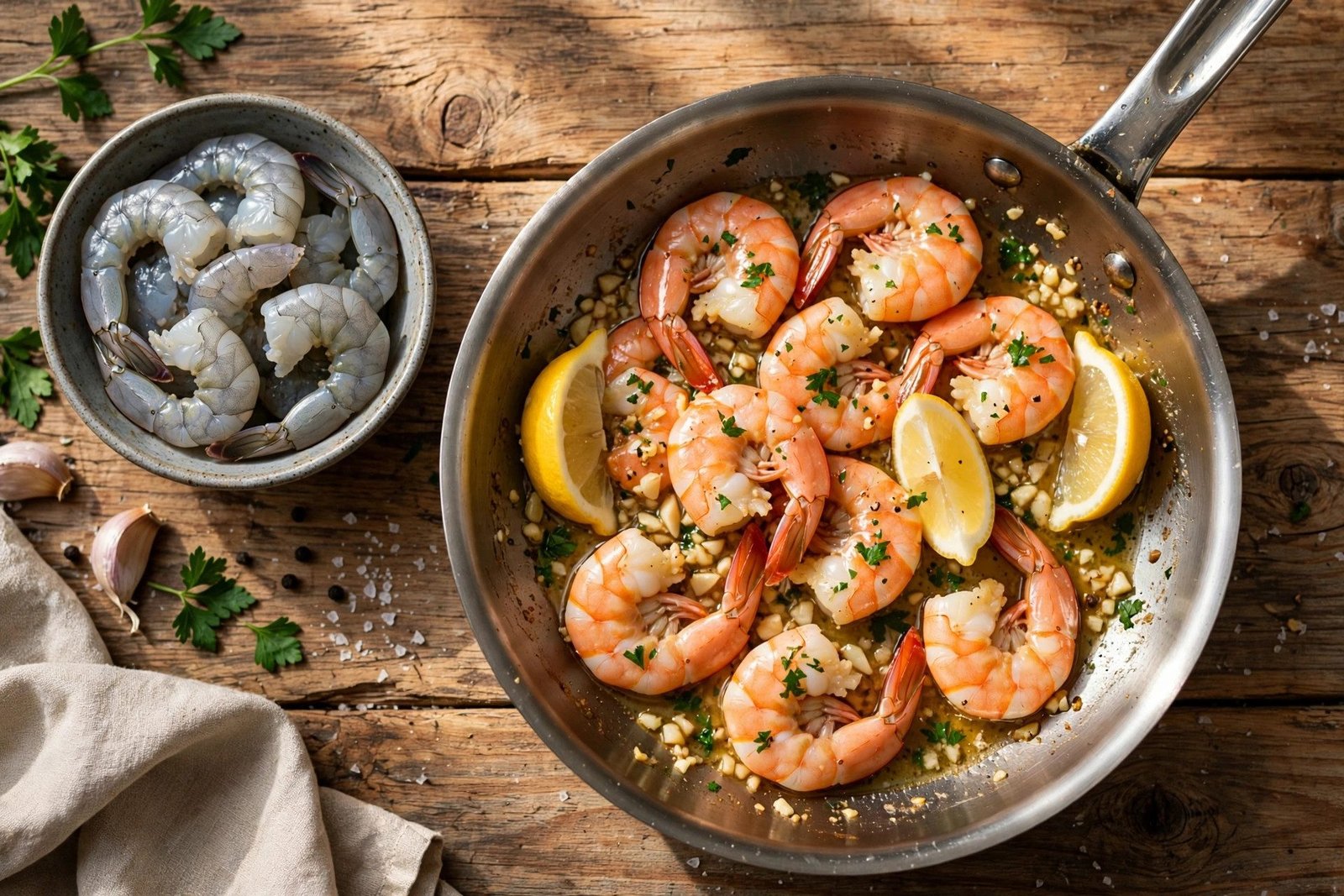
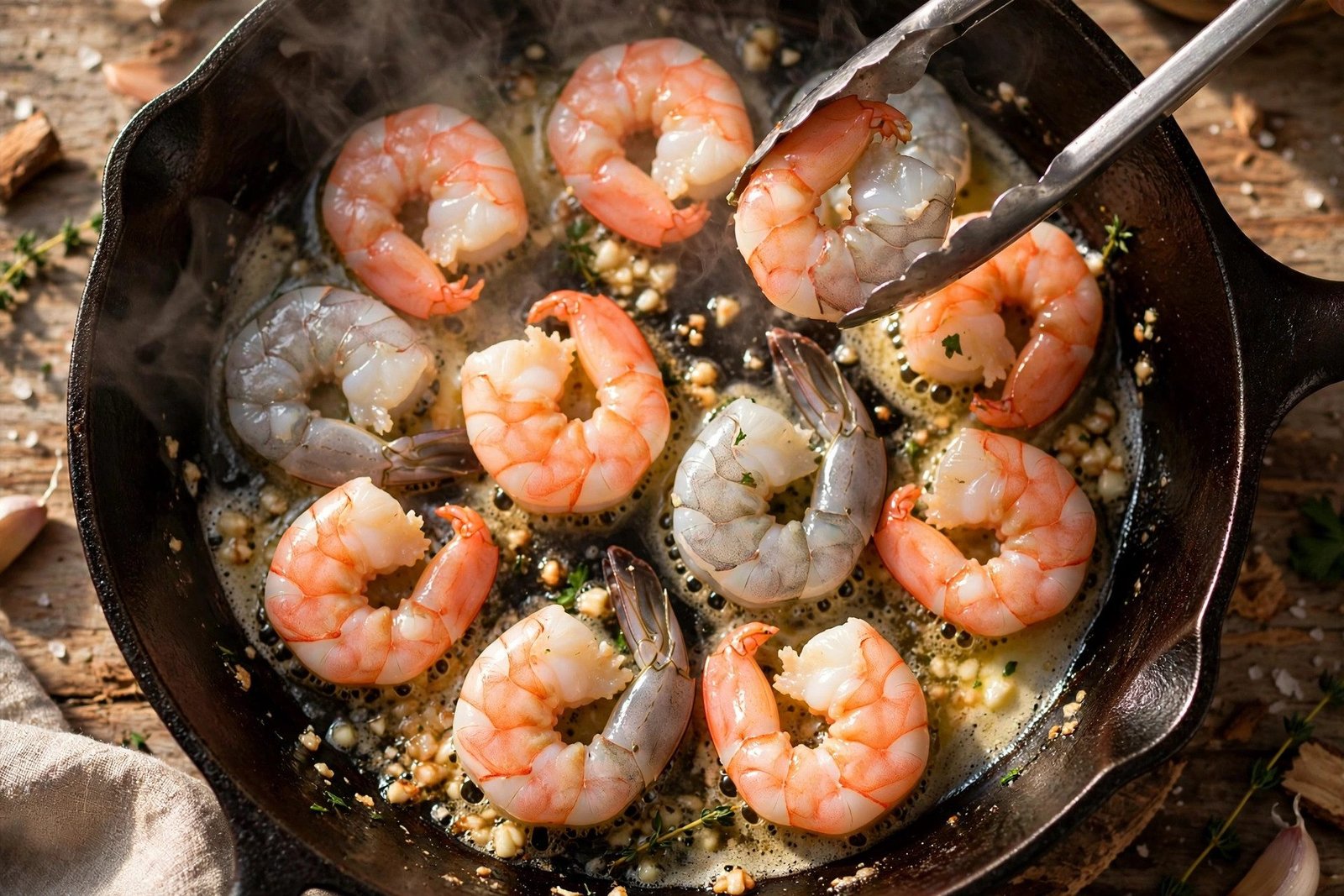
That tight curl is your first clue. A perfectly cooked shrimp curls into a loose “C” shape. An overcooked shrimp curls into a tight “O” — and that’s the shrimp that’s rubbery. The second clue is color: raw shrimp is gray and translucent, perfectly cooked shrimp is opaque pink with white flesh, and overcooked shrimp goes chalky-white and dry-looking. Once you learn to watch for the “C” shape and the color change, you’ll never need a timer again — though I’ll give you one anyway, because timers help while you’re learning.
The other thing to know is that shrimp keeps cooking after you take it off the heat. Carryover cooking adds another 5 to 10 degrees in the minute after the shrimp leaves the pan, which is why so many home cooks overshoot: the shrimp looked perfect in the skillet and turned rubbery on the plate. The fix is simple — pull the shrimp off the heat just before it looks done, when it’s still slightly translucent in the very center. It finishes itself in the next thirty seconds while you reach for the serving plates.
5 Mistakes That Make Shrimp Rubbery
If you’re wondering why is my shrimp rubbery, the answer is almost certainly one of these five mistakes. I made all of them before I learned better, and most cooks I know have too. The good news is that none of them require new equipment or fancy technique — just a small change in habit.
Mistake #1: Cooking Shrimp Too Long
This is the big one, and it’s the answer to “why is my shrimp rubbery?” about eight times out of ten. Shrimp cooks shockingly fast: large shrimp (16/20 count) need about 2 to 3 minutes per side in a hot skillet, medium shrimp (26/30) need about 2 minutes per side, and small shrimp (31/40) need only about 90 seconds per side. That’s it. If your recipe says “cook shrimp for 5 to 7 minutes,” that recipe is wrong for shrimp — it was probably written for chicken and never tested.
The fix: set a timer, and check the shrimp at the halfway mark. The moment the underside turns pink and opaque, flip. The moment the second side turns pink, pull the pan off the heat. Shrimp that’s 90% done in the pan is 100% done on the plate.
Mistake #2: Crowding the Pan
When you dump a whole pound of shrimp into one skillet, the shrimp steam instead of sear. The pan temperature drops, the shrimp sit in their own liquid, and they cook slowly and unevenly — the ones on the bottom overcook while the ones on top are still raw, so you keep cooking until everything looks done, and by then half the batch is rubbery.
The fix: cook in a single layer with space between each shrimp, and work in two batches if you have to. A 12-inch skillet comfortably fits about half a pound of large shrimp at a time. It feels slower to cook in batches, but each batch takes two minutes, so the whole pound is done in four — faster than one crowded, steaming batch that takes six minutes and ruins the texture anyway.
Mistake #3: Starting with Wet Shrimp
Shrimp straight from the bag is wet, and wet shrimp can’t sear. The moisture has to boil off before the surface can brown, and all that extra time in the pan is time the inside is overcooking. This is especially true of frozen shrimp that wasn’t thawed and dried properly.
The fix: pat every shrimp dry with paper towels before it hits the pan — both sides, no shortcuts. It takes thirty seconds and makes the difference between shrimp that sears in ninety seconds and shrimp that steams for three minutes. While you’re at it, season after patting dry, not before; salt draws moisture to the surface, and you want that surface dry when it meets the hot pan.
Mistake #4: Thawing Shrimp the Wrong Way
If you thaw frozen shrimp on the counter for hours or — worse — in warm water, the outside starts to cook and break down while the inside is still frozen. Then when the shrimp hits the pan, the outside is already halfway to rubbery before the cooking even starts. Microwaving frozen shrimp to thaw it is even worse: the thin tail ends cook while the thick ends stay frozen.
The fix: thaw shrimp in a bowl of cold water for 15 to 20 minutes, changing the water once halfway through. Cold water thaws shrimp fast without starting to cook it. Never use warm or hot water, and never leave shrimp on the counter for more than two hours — that’s a food safety issue as well as a texture one. If you’re short on time, you can even cook shrimp straight from frozen; just add about a minute per side and expect a little extra water in the pan.
Mistake #5: Using the Wrong Heat
Medium heat feels safe, but for shrimp it’s actually the worst choice. Medium heat cooks shrimp slowly, which gives the proteins more time to contract and squeeze out moisture. The shrimp spends three or four minutes in the pan instead of two, and the result is — you guessed it — rubbery shrimp.
The fix: use medium-high to high heat with a well-preheated pan and a tablespoon of oil or butter. You want the shrimp to sizzle loudly the second it touches the pan. That fast, hot sear sets the outside quickly and gets the shrimp off the heat before the inside overcooks. If your shrimp isn’t sizzling when it hits the pan, the pan isn’t hot enough yet — give it another minute.
How to Cook Shrimp Perfectly Every Time
Now that you know what goes wrong, here’s the method I use every single time — the one that finally answered “why is my shrimp rubbery?” for good. It works for sautéing, which is the most common way to cook shrimp at home, and the timing chart below covers every size you’ll find at the store.
First, thaw the shrimp properly in cold water, then peel and devein if needed. (Most shrimp sold as “peeled and deveined” already is — check the bag.) Pat the shrimp completely dry with paper towels and season with salt and pepper. Heat a large skillet over medium-high heat for two full minutes, then add a tablespoon of olive oil or butter. When the oil shimmers — or the butter foams and just starts to smell nutty — lay the shrimp in a single layer, leaving space between each one.
Cook without moving the shrimp until the underside turns pink and opaque, then flip each one with tongs. Cook the second side until it turns pink too, then pull the pan off the heat immediately. The whole process takes 3 to 5 minutes total, depending on the size. Squeeze half a lemon over the shrimp, toss with a clove of minced garlic or a knob of butter, and serve right away — shrimp waits for no one.
Shrimp Cooking Time Chart (per side, medium-high heat)
- Extra jumbo (16/20 per pound): 2 to 3 minutes per side
- Jumbo (21/25 per pound): 2 minutes per side
- Large (26/30 per pound): about 2 minutes per side
- Medium (31/40 per pound): 90 seconds per side
- Small (41/50 per pound): about 1 minute per side
One more tip that changed everything for me: the baking soda brine. Toss peeled shrimp with 1 teaspoon of baking soda per pound, plus a pinch of salt, and let it sit for 15 minutes before cooking. Rinse, pat dry, and cook as usual. The baking soda raises the pH on the shrimp’s surface, which helps the proteins hold onto moisture instead of squeezing it out. The shrimp come out noticeably plumper and juicier — it’s the same trick Chinese restaurants use for velveted shrimp, and it gives you a little extra insurance against overcooking.
Why Is My Shrimp Rubbery Even When I Follow the Recipe?
Sometimes you did everything right and the shrimp still came out rubbery, and that’s maddening. If you’re still asking why is my shrimp rubbery even when you followed the recipe to the letter, here are the usual suspects. First, check your shrimp size against the recipe’s timing — a recipe written for medium shrimp will overcook jumbo shrimp if you follow the same times, and a recipe written for jumbo will undercook small shrimp. Always cook to the visual cues (pink, opaque, loose “C” curl), not to the clock alone.
Second, check whether the recipe has you adding the shrimp too early. In pasta dishes, stir-fries, and curries, shrimp should almost always go in last — in the final 3 to 4 minutes of cooking. If a recipe tells you to sauté the shrimp, set it aside, and add it back later, that’s actually good advice: it keeps the shrimp from sitting in simmering sauce for ten minutes while everything else finishes. Shrimp that simmers in sauce for more than a few minutes will turn rubbery no matter how perfectly you seared it first.
Third, consider the shrimp itself. Very cheap frozen shrimp is sometimes treated with excess sodium tripolyphosphate, which can give it a mushy-then-rubbery texture no matter how you cook it. If the shrimp feels slimy or smells strongly of ammonia even after rinsing, the problem was the shrimp, not you. Buy from a source you trust, and look for shrimp labeled “dry” or “chemical-free” when you can find it — it costs a little more, but it cooks like a completely different ingredient.
Finally, remember that carryover cooking is real. If your shrimp looked perfect in the pan but rubbery on the plate, you didn’t undercook it in the pan — you cooked it exactly right and then let it sit in a hot pan for another minute while you finished the side dishes. Always transfer shrimp to a serving plate the moment it’s done, and if you’re adding it to a hot dish, add it at the very last second.
Can You Fix Rubbery Shrimp?
I wish I had better news here, but the honest answer is: not really. Once shrimp proteins have contracted and squeezed out their moisture, you can’t put the moisture back. There’s no marinade or sauce that will un-cook a shrimp. But you can absolutely save the dinner — you just have to change the plan.
The best move is to chop the rubbery shrimp into small pieces and use it in a dish where texture matters less. Toss it into fried rice, fold it into a creamy pasta sauce, or chop it fine for shrimp tacos with plenty of slaw and sauce. In those dishes, the shrimp is one texture among many, and the sauce does the heavy lifting. My garlic butter shrimp pasta is a great rescue dish for exactly this situation — the buttery garlic sauce and tender pasta make even slightly overcooked shrimp taste intentional.
For next time, the prevention is worth more than any rescue: high heat, dry shrimp, a single layer in the pan, and pulling the shrimp off the heat while it still looks a touch underdone. Do those four things and the question “why is my shrimp rubbery?” will stop coming up entirely.
Quick Shrimp Dinners to Practice On
The fastest way to get good at cooking shrimp is to cook it often, and these three recipes are perfect practice — each one takes twenty minutes or less, and each one teaches you the timing in a slightly different context. My 15-minute honey garlic shrimp is the best place to start: the sweet-savory glaze tells you exactly when the shrimp is done, because the sauce thickens right as the shrimp finishes. Once you’ve nailed that, try my shrimp scampi — the lemon-butter-garlic sauce comes together in the same pan while the shrimp rests, so you practice the pull-it-early habit. And if you want to see how shrimp behaves in a pasta dish, the garlic butter shrimp pasta above shows you how to add the shrimp in the last few minutes so it stays tender in the sauce.
A note on food safety, since it matters with seafood: the USDA recommends cooking shrimp to 145°F, which is the point where the flesh is opaque and the shrimp has curled into that loose “C” shape — the same visual cues in this guide. You can check the full safe-temperature chart on the USDA Food Safety and Inspection Service website. The “C” shape and the opaque pink color are your real-world thermometer, and they line up with the safe temperature every time.
Frequently Asked Questions
Why is my shrimp rubbery when I grill it?
Grilling is the easiest way to overcook shrimp because the heat is intense and uneven, and the shrimp are small enough to fall through the grates before you can flip them. Use skewers — two parallel skewers per row of shrimp so they can’t spin — and grill over medium-high heat for about 2 minutes per side. Brush with oil before grilling so they don’t stick, and pull them the moment they turn pink and curl into a “C.” If you’re asking why is my shrimp rubbery after grilling, it’s almost always too much time over the heat — try the skewer method and a timer.
Why is my shrimp rubbery after boiling?
Boiling is the most unforgiving way to cook shrimp because there’s no visual cue until you pull one out — and by then the rest are overcooking. Bring the water to a boil, add the shrimp, and the moment the water returns to a boil (about 2 to 3 minutes for large shrimp), drain immediately and plunge the shrimp into ice water to stop the cooking. If your shrimp is rubbery after boiling, you left it in the hot water too long; the ice bath is the fix, because it stops carryover cooking dead.
Does frozen shrimp get rubbery more easily than fresh?
Frozen shrimp can turn out just as tender as fresh — but only if you thaw it correctly. Shrimp thawed in warm water or on the counter starts to break down on the outside while the inside is still frozen, which gives you uneven cooking and rubbery texture. Thaw in cold water for 15 to 20 minutes, pat dry, and cook as usual. Honestly, most “fresh” shrimp at the supermarket was previously frozen anyway, so well-handled frozen shrimp is often the better buy.
Why is my shrimp rubbery in pasta dishes?
Because the shrimp went in too early and simmered in the sauce for ten minutes. Shrimp should be the last thing added to a pasta dish — cook the sauce fully first, then add the shrimp and cook just until pink, about 2 to 3 minutes. Better yet, sear the shrimp separately, set it aside, and toss it into the finished pasta at the very end. The residual heat finishes it gently without overcooking it.
Can I eat slightly undercooked shrimp?
No — shrimp needs to reach 145°F to be safe to eat, which is when it’s opaque and pink all the way through. But “slightly underdone-looking in the pan” is not the same as undercooked: shrimp pulled at 90% done finishes to a safe temperature from carryover heat within thirty seconds. If you’re unsure, cut one open — the center should be opaque white-pink, not gray or translucent. When in doubt, cook it thirty seconds more rather than risking it, but don’t add minutes.
Why is my shrimp rubbery even though I only cooked it for 2 minutes?
Two minutes can still be too long if the heat was very high, the shrimp were small, or the pan was crowded. Small shrimp (41/50 count) need only about a minute per side, and a crowded pan traps steam that keeps cooking the shrimp even after you take it off the heat. Check the size on the bag, cook in a single layer, and trust the “C” shape over the clock — if the shrimp is already curling into a tight “O” at two minutes, pull it sooner next time.
The Bottom Line
So, why is my shrimp rubbery? Almost always, it’s overcooking — a minute too long in the pan, a crowded skillet, wet shrimp that steamed instead of seared, or a thaw that started cooking the shrimp before it ever saw heat. The fix is a short list: thaw in cold water, pat the shrimp bone-dry, use high heat, cook in a single layer, and pull the shrimp off the heat while it still looks a touch underdone. Watch for the loose “C” curl and the opaque pink color, and you’ll know the shrimp is perfect before the timer even goes off.
Shrimp is genuinely one of the fastest, easiest dinners you can make — it just doesn’t forgive a wandering eye the way chicken or beef does. Give it those two focused minutes, and you’ll get tender, juicy, restaurant-quality shrimp at home every single time. Try it tonight with one of the recipes above, and let the shrimp tell you when it’s done — it always does, if you know how to listen.